Digging deeper into Ostrava: from mining roots to green landscapes
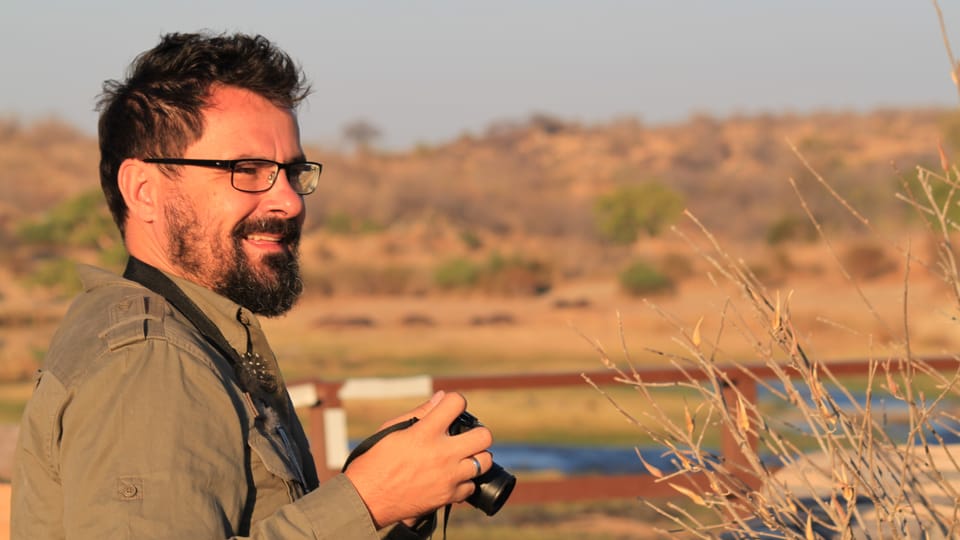
Once the industrial powerhouse of Czechoslovakia, Ostrava is reinventing itself. In the latest episode of Czechast, geographer Jan Hradecký from Ostrava University shares how the city is embracing its industrial heritage while reconnecting with nature.

Ostrava, the third-largest city in Czechia, has long been synonymous with coal, steel, and heavy industry. But as Czechast host Vít Pohanka discovers in conversation with geographer Jan Hradecký, there’s much more to this northeastern city than smokestacks and slag heaps.
“When I first came to Ostrava, it was a shock,” Hradecký admits, recalling his move from the greener landscapes of northern Bohemia. “I was shocked by the environment and, of course, a little bit different kind of people, because people in Ostrava are very strict and sometimes they are angry… they are not all the time in a good mood.”

Yet beneath the city’s rugged exterior lies a fascinating story. For lovers of industrial history, Ostrava is a must-visit. Hradecký recommends the iconic Dolní Vítkovice complex, which preserves the remains of the region’s industrial legacy. Just a short distance away, the Mining Museum in Michálkovice offers a unique look at “the last day of the miner,” immersing visitors in the realities of a once-dominant way of life.
But Ostrava is not only about its past. As climate change brings increasing risks of floods, researchers like Hradecký are exploring new ways to protect the region’s landscapes and communities. “One way how to protect society against floods is with a mosaic of different approaches, different measures,” he explains.

What truly fascinates Hradecký, though, is Ostrava’s proximity to nature. Despite its industrial past, the city is nestled near the Carpathian foothills and the Beskidy Mountains, as well as the Poodří protected landscape area, which extends partly into the city limits.
“It is very close to nature,” Hradecký says. “It’s very close, for example, to the riverscape, Poodří.”

Tune in to the full episode of Czechast to hear more about Ostrava’s transformation, its industrial heritage, and the unexpected beauty of a city reinventing itself.
Links: https://www.dolnivitkovice.cz/en, https://www.regionpoodri.cz/en/

Related
-

-

Moravia-Silesia Region
A region that got rich on coal and steel. Today it attracts visitors to its industrial monuments and mountains. Birthplace of Sigmund Freud and Leoš Janáček.
about programme
Czechast, Radio Prague International
Czechast is a regular RPI podcast about Czech and Moravian culture, history, and economy.