Vysočina Region boasts natural beauty and UNESCO sites
Vysočina, sometimes known as the Czech Highlands, lies in the very centre of the country, where Bohemia meets Moravia. The country’s fifth largest region is famous for its untouched natural beauty, clean environment and numerous historical monuments, three of which are UNESCO listed World Heritage Sites.
Facts about Vysočina Region:
- Area: 6,800 square kilometers
- Population: 500,000
- The GDP per capita: 80% of the EU average
- Regional government: Jihlava
- Three UNESCO World Heritage Sites
- Forests rich
- 3,500 artificial lakes and ponds
Related
-

Vysočina Region
This region lies on the border between Bohemia and Moravia. Those who haven't visited Telč and Zelená hora have missed out. The birthplace of Gustav Mahler.
-

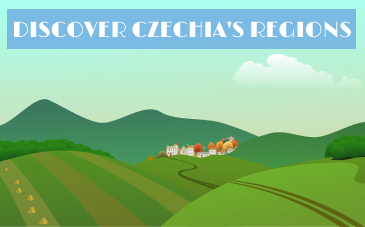
Discover Czechia's regions
With its rich history, stunning architecture and beautiful skyline Prague attracts visitors from all over the world. But there is much more to see in Czechia.
Latest
-
Eva Přáda’s path in biophysical chemistry and the future of pharmaceutical research
From Cambridge labs to groundbreaking research in Vienna, Eva Přáda is a Czech biophysical chemist using science to address everyday problems.
-
Re-enactment of the liberation of the town of Hodonín
Re-enactment of the liberation of the town of Hodonín on April 12, 1945
-
From labs to leadership: Hana Huszár on science and connecting Czech minds abroad
Raised on science, trained in biology, and now a project coordinator in Austria—Hana Huszár combines expertise and empathy to shape the future of research.
-
Lukáš Fiedler on the secret language of plants
How do plants know how to shape themselves without anyone telling them how? Lukáš Fiedler thinks the answer lies in a powerful plant hormone called auxin.
-
Dagmar Vorlíček on how social sciences shape international policy
Can the social sciences shape international policy? Dagmar Vorlíček believes they must.
-
Hana Marvanová on the unequal power of our genes
What makes you unique? Scientist Hana Marvanová studies parent-of-origin effects. But how did she go from studying anthropology to cutting-edge molecular biology?
Pages
- « první
- ‹ předchozí
- …
- 4
- 5
- 6
- 7
- 8
- 9
- 10
- 11
- 12
- …
- následující ›
- poslední »