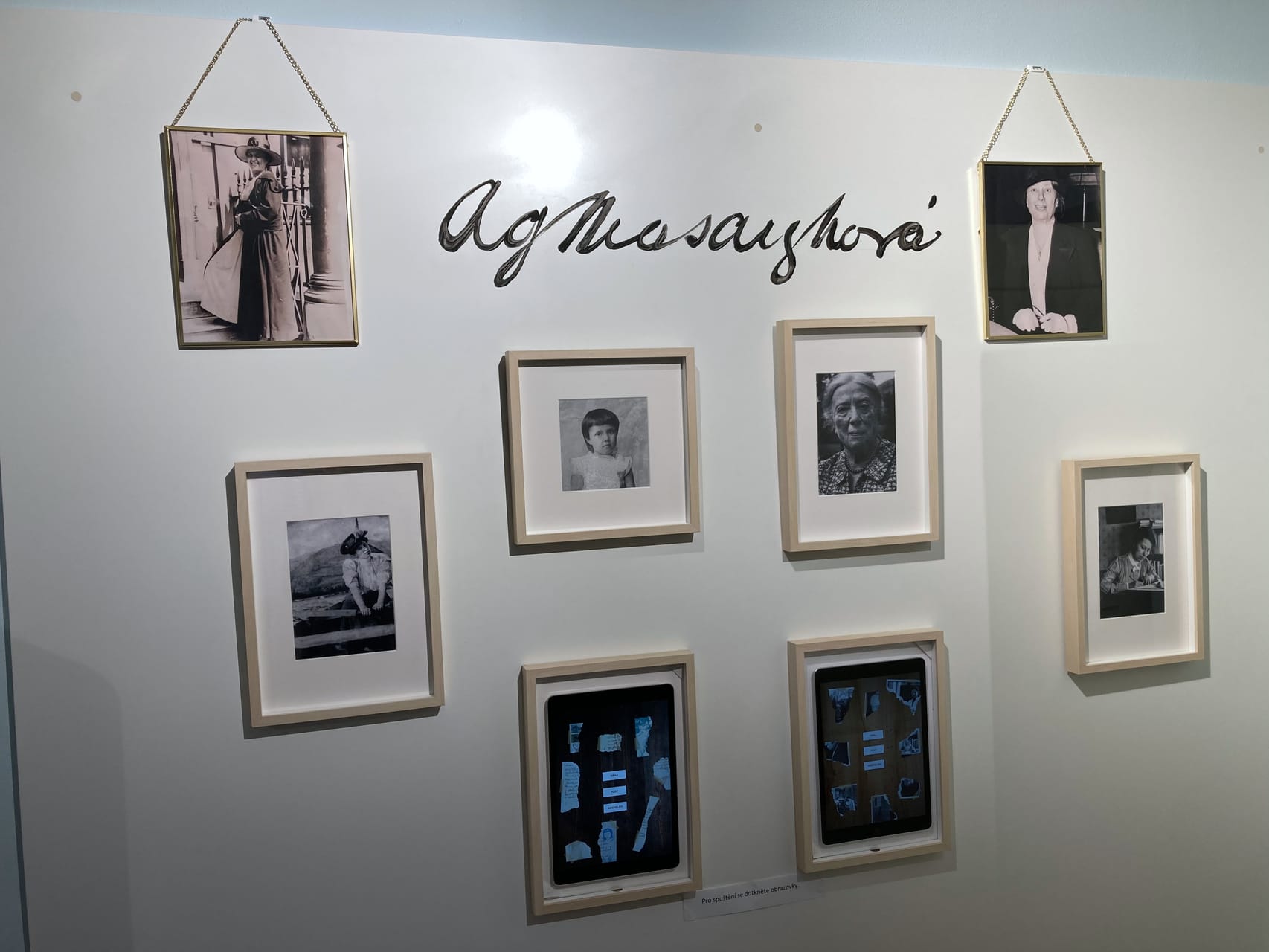
In the president’s shadow: Alice Masaryková died 60 years ago

Best known as the daughter of Tomáš Garrigue Masaryk, she was an important figure in Czechoslovakia’s First Republic in her own right. Alice Masaryková devoted her life to healthcare, social work and humanitarian aid, and her legacy still extends beyond the borders of the Czech Republic.

Around the world, the name Tomáš Garrigue Masaryk is associated with the founding of Czechoslovakia. Less well known, however, is the story of his eldest daughter Alice, who became one of the leading figures in Czechoslovak social work and humanitarian aid.
She was born in Vienna in 1879 into a family that placed great emphasis on education, responsibility and service to society. She studied philosophy, history and sociology and was among the first Czech women to earn a doctorate. Even then, her main interests were social issues, education and the status of women.
The First World War had a profound impact on her life. In 1915, she was arrested by the Austro-Hungarian authorities on suspicion of involvement in the activities of her father, who was abroad supporting the creation of an independent Czechoslovak state.
Calm amid the storm
She spent several months in prison. Her well-known words date from this period:
“We must fight to achieve such a deep and powerful calm amid the storm.”
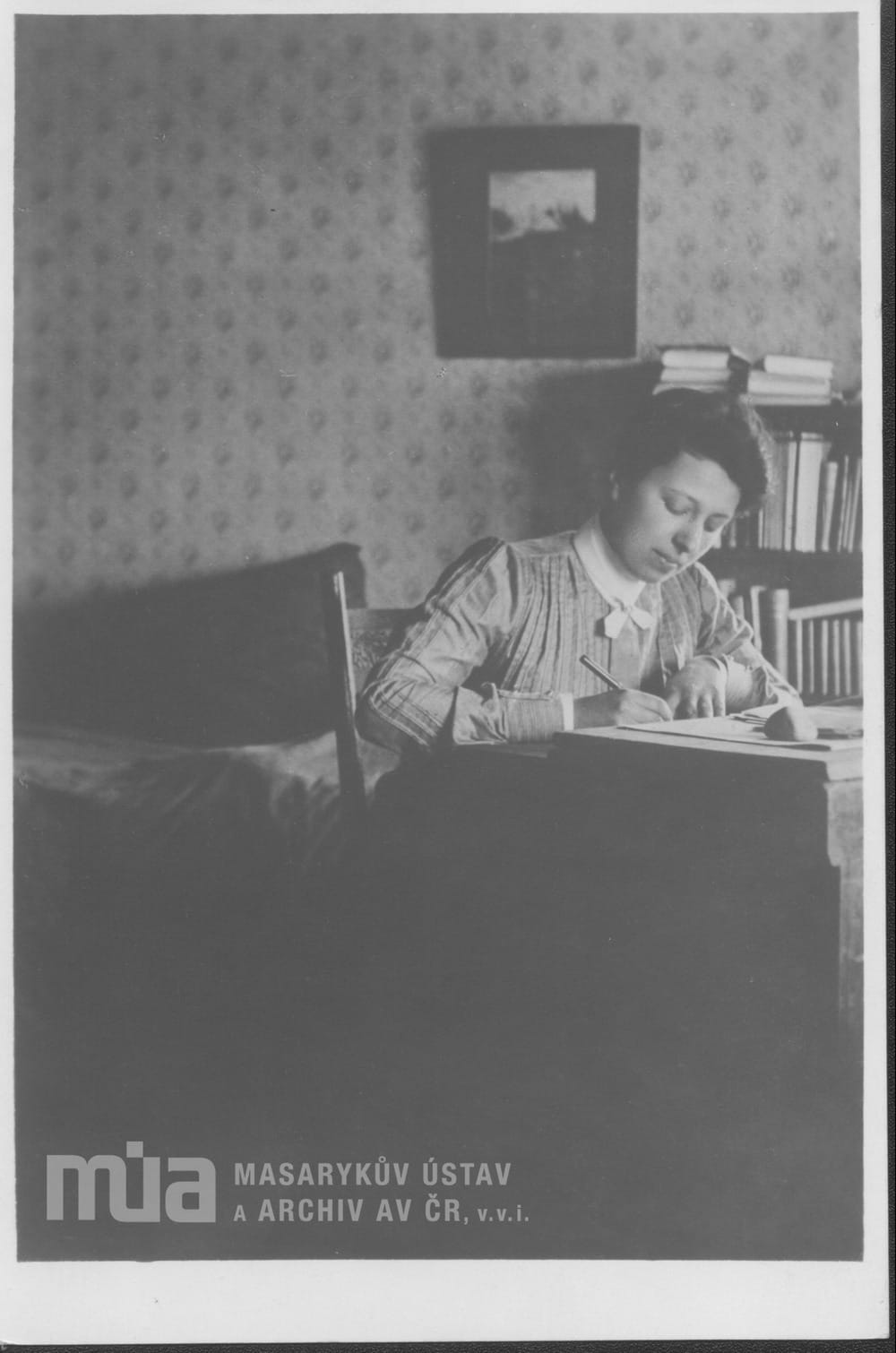
After the founding of Czechoslovakia, she decided against a career in high-level politics. Instead, she devoted herself to building up social and health services. In 1919, she founded the Czechoslovak Red Cross and led it for almost two decades. The organisation helped the newly established republic deal with the aftermath of the war, combat poverty and improve healthcare.
Alice Masaryková believed that helping others was not just a matter of institutions, but also of human connection and solidarity.
“When a woman from the Red Cross visits a sick elderly woman, talks to her from the heart and brings her a warm woollen scarf and a little roasted coffee, the joy this gives her may do just as much good as all the ointments and medicines.”

A life in the shadows and in exile

After the death of her mother, Charlotte Masaryková, she took on many ceremonial duties alongside the president. She became the young republic’s unofficial first lady, accompanying her father on visits at home and abroad.
The upheavals of the 20th century eventually drove her into exile. Although she briefly returned home after the Second World War, she left Czechoslovakia for good after the communist takeover. She spent the rest of her life in the United States, where she died in Chicago on 29 November 1966.
Sixty years after her death, Alice Masaryková remains a symbol of public service, solidarity and civic responsibility. Although she bore a famous surname throughout her life, she carved out a place of her own in Czechoslovak history.