Jiří Pehe: Czechia must be ready for a more intense hybrid war from Russia

As the US announce suspension of military aid to Ukraine, Czechia must prepare for potential escalation and increased Russian influence efforts, warns political scientist Jiří Pehe. In an interview, he outlined the key security challenges Czechia faces and the role it must play in European defense.
The need for stronger alliances

According to political scientist and commentator Jiří Pehe, Russia will undoubtedly use the current situation to intensify its efforts to destabilize European democracies. For Czechia, this means preparing for a more aggressive hybrid war, including cyberattacks and disinformation campaigns.
"The Czech Republic has to be prepared for a more intense hybrid war coming from Russia," Pehe emphasizes. "It also needs to be part of any alliances of the willing that will be emerging in Europe. As a small country, unless it actively participates in these coalitions, it will be much more vulnerable to Russian pressure."
Political reactions in Czechia
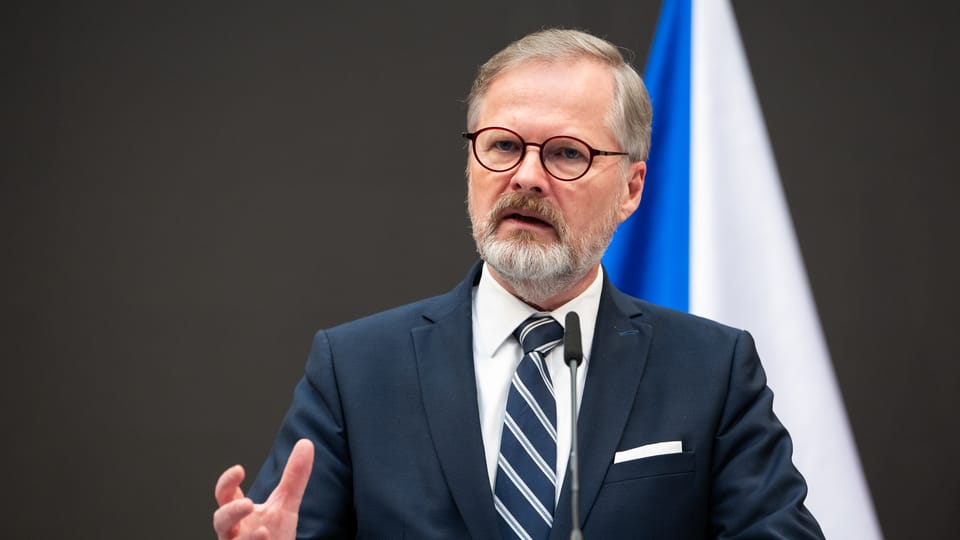
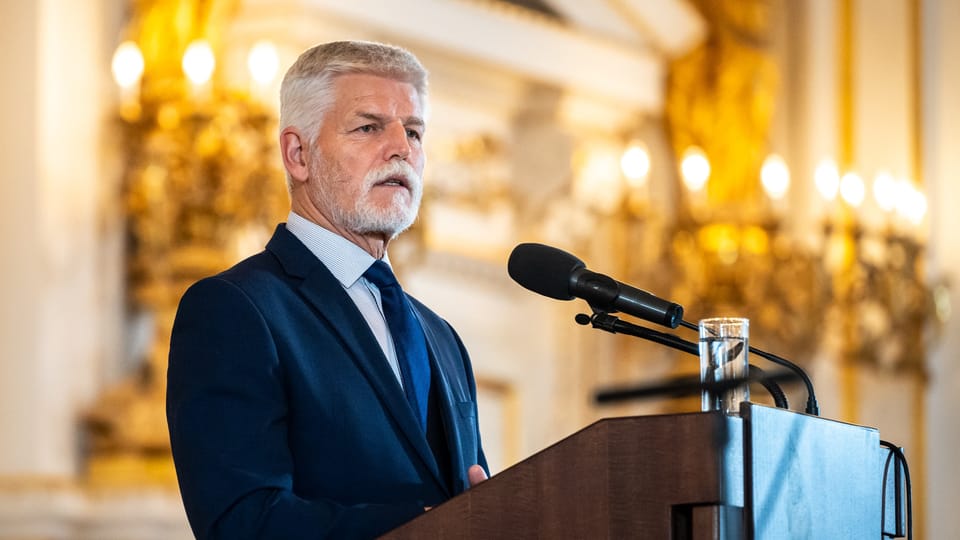
The immediate reactions from Czech politicians have been mixed. Government leaders, including Prime Minister Petr Fiala and President Petr Pavel, have responded firmly, advocating for increased military spending and closer European cooperation on security.
"The government politicians have been quite resolute in what needs to be done," Pehe notes. "They are focused on strengthening military capabilities and working with the rest of Europe to support Ukraine."
However, Pehe points out that opposition parties are divided. The ANO movement, led by former Prime Minister Andrej Babiš, has struggled to navigate its stance on former US President Donald Trump, whom it previously supported.
"There is a degree of discussion within the main opposition ANO Party as to what to do," Pehe explains. "Trump's recent actions, including his stance on Ukraine and threats of tariffs against Europe, make it difficult for them to openly support him."
Meanwhile, the far-right SPD (Freedom and Direct Democracy Party) continues to advocate for a resolution in Ukraine largely on Russia’s terms, aligning with Trump's recent rhetoric.
The US and its shifting position on Russia
A key concern for European leaders is the evolving stance of the United States, especially if Trump were to return to the White House. His past affinity for Russian President Vladimir Putin and other authoritarian leaders suggests that US policy toward Russia could shift dramatically.
"Trump has always admired strongmen, so his current approach is not surprising," Pehe says. "What is slightly more surprising is that he seems to be following a well-prepared strategy, rather than just improvising as he did in his first term."
Lessons for Czechia and Europe
Pehe believes that the greatest lesson for Czechia—and Europe as a whole—is the need for greater self-reliance. While the European Union is economically powerful, it remains politically weak and often struggles to act decisively.
"We have to rely much more on our own strength," Pehe argues. "The European Union, including the Czech Republic, is as wealthy as the United States and has 200 million more people. It is not a weak entity, but it is politically weak."
To address this, he suggests that the EU must either reform its decision-making processes or that groups of like-minded countries within the bloc should take the lead in strengthening European defense and security.
"If full EU integration proves difficult due to institutional constraints, then we have to work with other states to build a strong Europe—economically, militarily, and politically," Pehe concludes.
As geopolitical tensions rise, Czechia finds itself at a crossroads. Whether it strengthens its alliances and contributes to a more unified Europe, or remains vulnerable to external pressures will depend on the decisions made in the coming months.