Drying wells and dwindling groundwater trouble more Czech communities
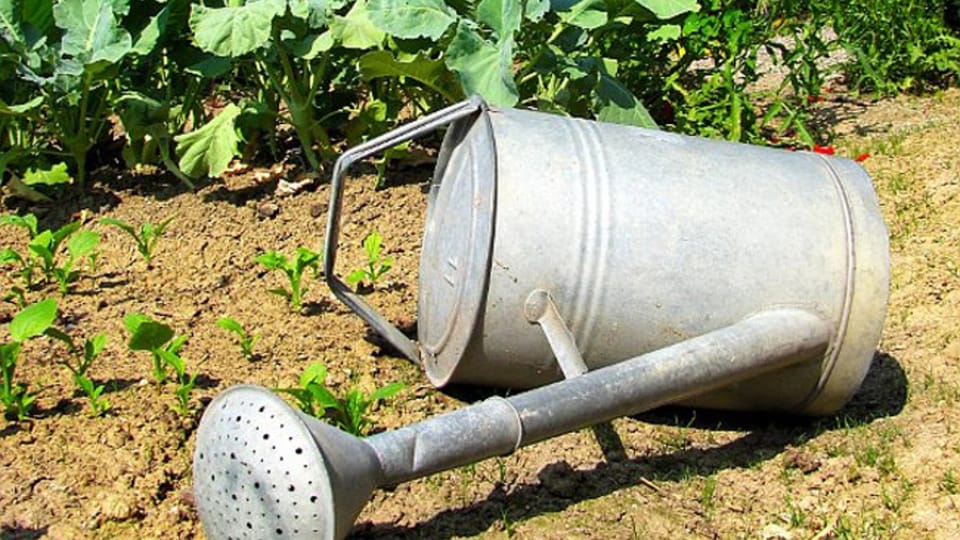
Drying wells and declining groundwater levels are affecting an increasing number of communities across Czechia. In some areas water utilities and fire crews have had to deliver drinking water to villages where inhabitants are dependent on their own wells.
As the drought deepens, many Czechs are coming to realize the value of a commodity they generally took for granted. Wells are drying out as are many small streams that people used as a supplement to water their gardens. Even larger villages with a municipal water supply are having problems and some have issued temporary bans on watering gardens, filling swimming polls and washing cars. Small villages, where people are dependent on their own wells are in bad trouble.
The village of Krsy in the Plzeň Region now relies on tankers that daily bring in drinking water to the municipal reservoir above the village. Some people’s wells have dried out, others are near rock bottom and people are saving water where they can.

“We save water all the time –wherever possible. We no longer take a bath every day, just a quick shower and that's it. We no longer fill swimming pools and keep watering gardens down to a minimum. Some people even water their gardens at night, so they won't be seen. They just drilled new wells to reinforce the one we have here, so I hope it will help, but today I saw another tanker with water so it’s clearly not enough.”
Similar problems are affecting other small communities in the Plzeň Region where people had long relied on their own wells and boreholes, but these are drying up as the drought progresses and people are worried that this is a foretaste of what the coming years will bring.
Water utility companies and local authorities are strongly recommending that people connect to public water networks wherever possible. Aleš Tolar, mayor of Malesice says the last one or two years are convincing many people to do so.
“Given what is happening with the climate and the current situation, when people's wells are drying up, people are now more willing to connect to the public water network. With municipal water, you can rely on both the quality and quantity of the water supplied, as well as on the fact that in an emergency the water utility will provide an alternative source. You simply can't rely on boreholes these days,” he says.

The situation is also serious in Horní Bečva in the Beskydy Mountains, one of the region's most popular tourist destinations, where the number of people in the municipality doubles every summer due to an influx of tourists.
As the drought worsens, both municipal wells have been operating close to their limits, and firefighters have had to bring in water on several occasions.
What was once a boon that helped local businesses has become a problem for the locals.
The mayor of Horní Bečva Rudolf Bernát says large hotels with wellness centres are among the biggest water users.

“We have large hotels here, which have their own wellness facilities and draw our water, so we are communicating with them intensively. We are trying to explain that the situation is serious and that they should also implement ways of using water economically, especially in their wellness facilities, so they don't unnecessarily draw water from common sources.”
At Hotel Valaška, guests are being asked to save water, although management says it cannot control how much water individual visitors use.
The local authorities hope that the situation will improve after the summer holidays, when the number of tourists drops, and rainier autumn weather arrives.
However if the forecasts of extreme heat and drought in the coming years materialize this will only be a temporary solution.