Czechia ranks high in Prosperity Index, but sociologist Daniel Prokop warns results can mislead

Czechia performs strongly in the Prosperity Index, a composite ranking combining economic output, inequality and selected social indicators. But according to sociologist Daniel Prokop from PAQ Research, the index is limited in scope and heavily shaped by how indicators are chosen. A closer look, he says, reveals a more complex picture of the country’s real standing.
Czechia’s strong rankings mask deeper questions, says Prokop

International rankings that place Czechia among Europe’s top performers often attract attention — especially when the country appears ahead of wealthier Western nations. One such comparison is the Prosperity Index, which combines indicators such as GDP, income inequality and selected social measures to assess economic performance and living standards. But according to Daniel Prokop, such results need to be interpreted with caution.
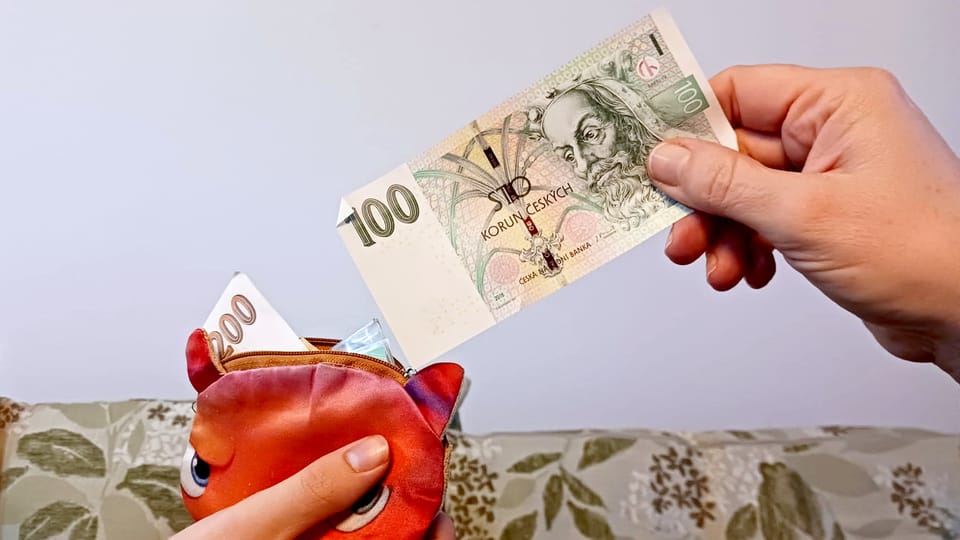
The main reason, he argues, lies in how the index is constructed. Compared to broader measures of prosperity, it relies heavily on a relatively narrow set of indicators, with a strong emphasis on economic output and inequality.
“This particular index is by 90 percent focused on the outcome of the economy — like GDP and income inequality,” Prokop explains. “So it’s quite limited in its focus.”
Indexes of this kind are designed to simplify complex realities, but in doing so they can highlight certain strengths while overlooking others.
The problem with measuring poverty

One of the key weaknesses, Daniel Prokop says, is the way poverty is measured — particularly through so-called relative poverty indicators. These compare household incomes within a country and identify those below a certain share of the median. While widely used, this method can produce counterintuitive results when comparing countries at different levels of wealth.
“In the 1980s, when almost everybody was poor, this measure would actually show very low poverty,” Prokop notes. “So it can create the impression that you are among the best, even when that’s not really the case.”
For policymakers and the public alike, he suggests, the key is to look beyond simple rankings — and focus instead on the deeper trends that shape living standards over time.
Related
-

Czech income poverty rates second lowest in EU, Eurostat data shows
The latest Eurostat data show that income poverty rates in the Czech Republic are the second lowest in the European Union, with 3.4 percent of working people in the…