Student debate organizer: “If you want young people to believe in politics, they must get involved”
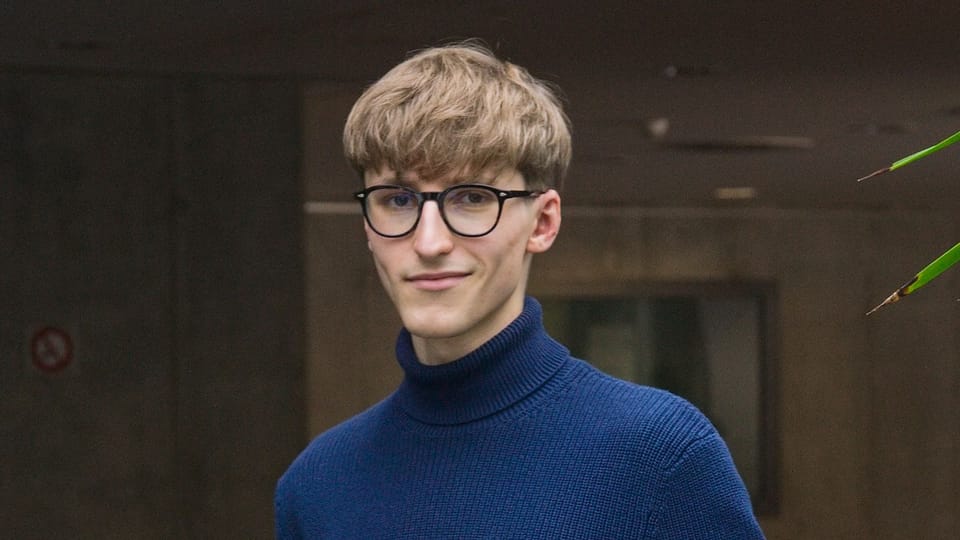
Zavolíme! is a unique project that organizes student-led election debates. Created by students, for students, its name loosely translates to ‘We Will Vote’- a fitting reflection of its mission to boost youth voter turnout, promote civic engagement, and connect formal and informal education.
Oldřich Neumann plays an active role in organizing the project and moderates debates featuring leading political candidates, including this year’s event ahead of the October elections. The debate based on student participation is freely available online and works in collaboration with mock student elections that will take place around Czechia on September 17-18.
READ ALSO
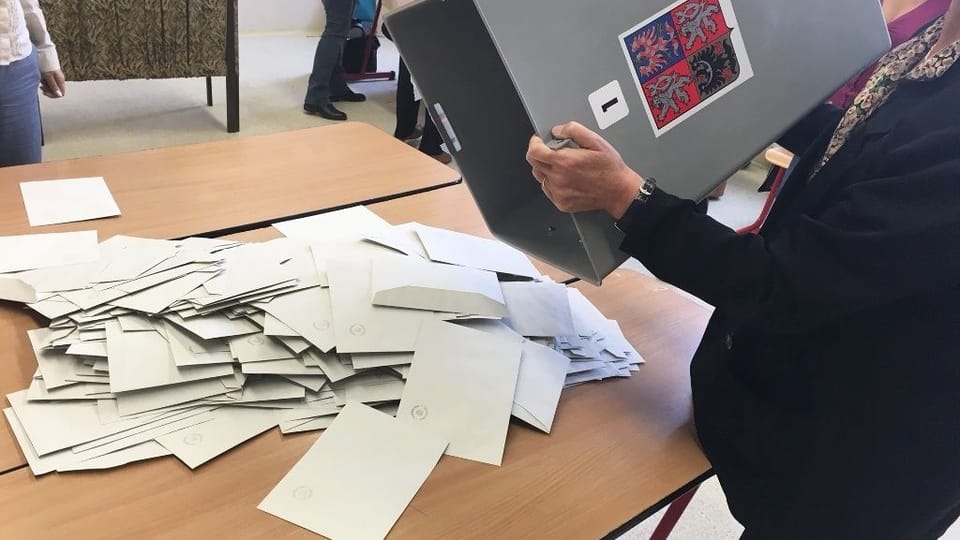
This October, Czechia heads to the polls to elect a new Chamber of Deputies. The election is unfolding in a particularly tense atmosphere, shaped by concerns over the cost of living and broader debates over Czechia’s future geopolitical orientation. Have recent events and debates led to more political engagement among young people?
“Undoubtedly. As Zavolíme! we have access to polls stating that political debates will be among the top reasons for young people to go and engage in the elections. I would say that the difference between the following elections and those we had in 2021 is that young people are no longer perceived as a homogenous group of people. Back then, it was mostly the current governing parties who targeted them, but that is not what we see now. Even the current opposition seems to be targeting young people. There are more youth organisations linked to political parties, and I think that this is a big step forward in comparison to the past elections.”
So, do you think that there is now a bigger split in opinion among the younger generation?
“I am not sure if it is an evident split in opinion. I think that the people who would have had certain opinions roughly four or five years ago, simply did not care that much and were not that involved. But they are involved now, and that is because the political parties and the current opposition targets them much more effectively.”
What do they target? What are the priorities of young people?
“Well, I am not a political scientist. I do political debates. But in general, I just think that they seem to target the general concerns much better. There are young people concerned if they will have a place to live, if they will be able to have a family one day. That was one of the most frequent questions in our Zavolíme! debate; whether the EU will be spying on them with the Chat Control proposal. So, I do not think it is possible to say if there is a universal topic that helps target young people. But these are among those, which they consider the most important to them.”
What do you think politicians can do differently?
“We ask many questions during the debate. That is what we do differently from the big debates. We ask the students what they think, and then we confront the candidates with it. And, for example, one thing that happened was that we asked all six candidates in the debate whether they believe that their party or they personally can deal with the housing crisis? And all of them said yes. Then we asked a similar question to the students. We asked them: do you believe that politicians in general will be able to deal with the housing crisis? 96% of them, I think, said no. Obviously, students and young people are sceptical.

“The first thing that should be done is that there are not enough young people in politics in general. We do not have a single member of parliament under 30 years of age. And if you want young people to believe in politics, to get involved, they must get involved at the highest possible level. But also at the lowest, in their region, their local councils. So that is what must be done differently. We must deal with the lack of young people in politics.”