130 years since the birth of Klement Gottwald: The man who brought Czechoslovakia into the Soviet bloc

November 23 marks 130 years since the birth of Klement Gottwald, one of the darkest figures in 20th-century Czechoslovak history. Rising from humble beginnings to the highest office in the country, he is remembered above all for the destruction of democracy and the establishment of a communist dictatorship after February 1948.

Klement Gottwald joined the Communist Party of Czechoslovakia after World War I and quickly became one of its leading figures. He never wavered in his allegiance to the Soviet Union. In a speech in Parliament in 1929, he made a statement that became emblematic of his political career:
“We go to Moscow to learn. Do you know what we go there to learn? We go to Moscow to learn from the Russian Bolsheviks how to wring your necks.”
After World War II, he became prime minister and played a key role in the communist takeover of power in February 1948. Shortly afterwards, he was elected president.

The period of his rule is among the darkest chapters in Czechoslovak history. The regime launched widespread political purges, eliminated opposition and systematically violated human rights.
READ ALSO
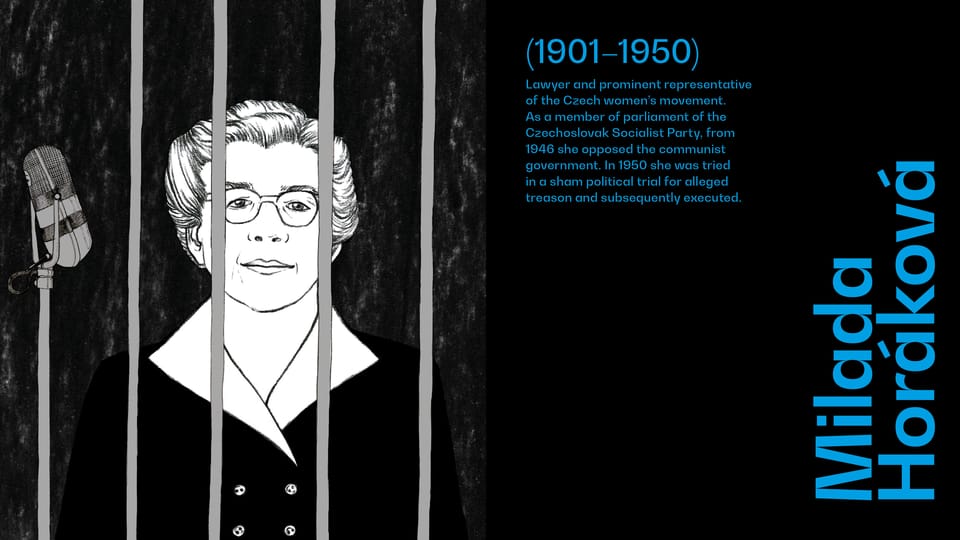
Hundreds of people were convicted in political show trials, with more than 200 sentenced to death. Among those executed was politician Milada Horáková. Tens of thousands were imprisoned, sent to forced labour camps or forcibly evicted from their homes.
Many others went into exile. The communist coup of 1948 triggered one of the largest waves of emigration in modern Czech history. Thousands of Czechs and Slovaks sought new homes in Europe, North America, Australia and other parts of the world.

Klement Gottwald died in 1953. Under the communist regime, he was celebrated as the “workers' president”, and squares, streets and schools were named after him. Today, he is remembered primarily as a symbol of the communist takeover and the regime that deprived Czechoslovakia of democratic freedoms for more than four decades.
For Czech communities abroad, the anniversary is also a reminder of a period that profoundly affected the lives of countless families and forced thousands of people to build their lives far from their homeland.