A village wiped from the map: Lidice lives on in memory

Eighty-four years ago, on June 10, 1942, the Nazis annihilated the Central Bohemian village of Lidice in retaliation for the assassination of Acting Reich Protector Reinhard Heydrich by Czechoslovak parachutists. In one of the most brutal reprisals of WWII, they shot 173 men, deported the women to concentration camps, and murdered most of the children or took them away for Germanization. The village was razed to the ground.
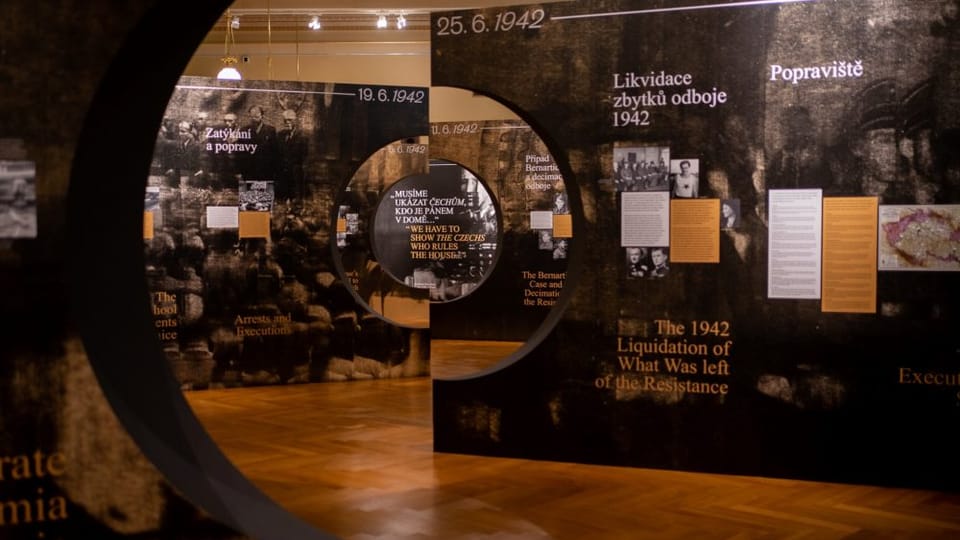
“General Heydrich had come to like our country; he was our friend. We looked forward to the time when he would remember the Czech nation fondly and support its people. Fate, however, decided otherwise, allowing the criminals in London to murder, here among us, the most distinguished representative of the Reich.”
After the attack on Heydrich, Nazi propaganda went into overdrive. This is how Protectorate Radio broadcast at the time. A state of emergency came into force, the Gestapo carried out arrests and executions, and on June 9 soldiers surrounded Lidice and sealed off the village looking for links to the paratroopers. Preserved in the archives of Czech Radio are the memories of Milada Cábová, who was 18 years old at the time.

“No one was allowed in. Every house was searched. Two soldiers came in, saying they were going to inspect the house, and they went from the cellar right up to the attic. Of course, they found nothing.”
Lidice was encircled by Wehrmacht soldiers. Shortly after midnight on June 10, they began forcing residents from their homes. The women and children were taken to the building of the grammar school in Kladno. Men over the age of 15 were gathered at the Horák family farm, where they were shot in groups. At the same time, soldiers began setting fire to the houses. In the morning, K. H. Frank personally arrived in Lidice. A few days later, the Nazis took the children away from their mothers. Milada Cábová says it is impossible to erase the horrific scene from memory.

“It was something terrible. Those little children clung to their mothers, crying, ‘Mummy, don’t give me away, I don’t want to leave you.’ The guards shouted, fired warning shots and dogs barked all around.”
Eighty-two children were murdered by the Nazis in specially adapted gas vans on their way to the extermination camp at Chelmno. The women ended up in the Ravensbrück concentration camp. They learned the fate of their children only after the war, as well as the fact that all the men of Lidice had been executed. Jaroslava Skleničková recalled her final farewell to her father.
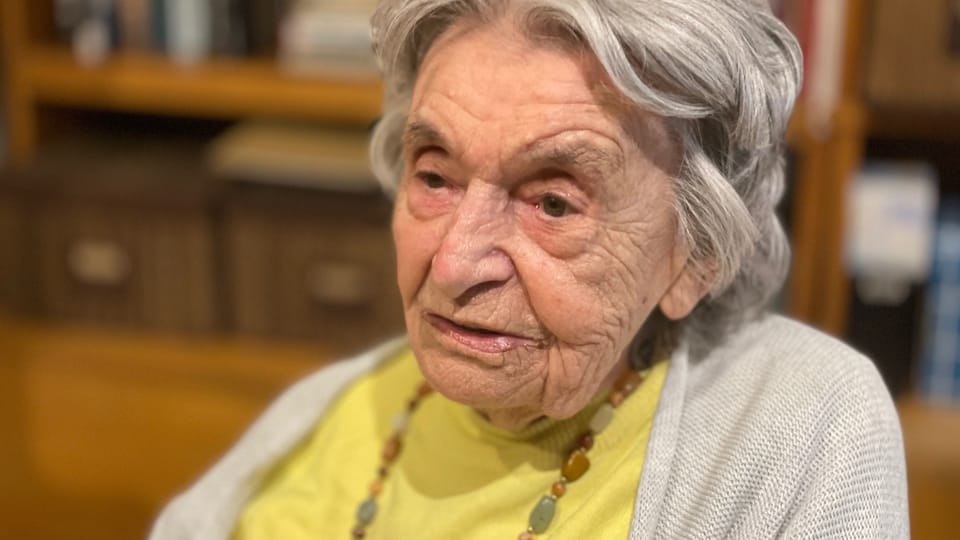
“To this day, I have never come to terms with my father’s death. He was 50 years old, and I think he sensed what was coming. At the gate he said to me, ‘God willing, we shall see each other again.’”
The Nazis made no attempt to conceal the destruction of Lidice, and news of the atrocity spread immediately not only throughout the Protectorate but across the world.
From London, the head of the Czechoslovak government-in-exile, Edvard Beneš, condemned the murders in Lidice.

“They are killing innocent people en masse, according to lists prepared months and years in advance. The village of Lidice, which will surely one day become a place of pilgrimage for the entire nation, has been barbarically devastated and razed to the ground. This is how the rulers in Berlin present the German nation and state to the world. For all of this, they will be held accountable and punished.”
In memory of the destroyed village, a number of towns and villages around the world were renamed Lidice.

Shortly after liberation, the site of the tragedy was turned into a memorial area.
In 1946, the Society for the Renewal of Lidice was established, and at the turn of the 1940s and 1950s authorities built 150 family homes. The site of the original village of Lidice is today a national cultural monument.
The victims of Lidice will be commemorated on Friday, June 12, with a thanksgiving concert in the courtyard of the museum. The program will also include the lighting of candles, which people will place at the sites of the original Lidice homes. According to Mayor Veronika Kellerová, there is great interest in the event, and all candle locations have already been reserved.
Related
-

80 years ago: How did WWII end in the Czech lands?
Eighty years ago, the most destructive and lethal war in history approached its end. In this series we map the last stages of the war and its aftermath on Czech territory.
-

10 Incredible Stories From World War II
Jiří Klůc has travelled around the world to find the last survivors of WWII and record the stories of soldiers and ordinary people caught up in the conflict.