Erotikon: A Czechoslovak silent classic returns with epic orchestral accompaniment

Few Czech silent films are as renowned as Erotikon, directed by Gustav Machatý in 1929. The intimate romance, provocative for its time, has now been digitally restored and will receive a major new premiere on Tuesday. The screening will feature the Prague Radio Symphony Orchestra performing a newly commissioned score by Jana Vöröšová. The restoration, led by the National Film Archive, was made possible by the combined efforts of its team. Radio Prague International spoke with Matěj Strnad, head of curation at the Archive.
Eroticon is one of the gems of Czech silent cinema and Czechoslovak film history in general. It's a film by Gustav Machatý, produced in 1929, as a very late silent film. Gustav Machatý was renowned, also internationally, both for Erotikon and his later project, Ecstasy (1933).
The film Erotikon has now been restored. What does the process look like? Does the film change as a result?

“Nowadays, these projects involve what we call digital restoration. We start with the original elements, which are then scanned in very high resolution. The aim is to reintroduce the film into today’s cinemas, which are almost all digital, and make it available across other distribution channels. Through the restoration process, we also try to get as close as possible to what we imagine the original version of the film was like."
“This project is of special and dear importance to us, as we were also able to produce a new score for the film. So part of the experience is experiencing a silent film with live musical accompaniment.”
What is Erotikon about?
"The story is told in a very visual, even sensual manner, which is both captivating and exciting."
“The story is not the most complicated. Rather, you could say it is a romance, a kind of a bildungsroman or a cautionary tale. It also has some strong dramatic moments that I wouldn't wish to spoil."
“However, the story is told in a very visual, even sensual manner, which is both captivating and exciting. I hope that the audience will find it surprising how modern and contemporary a film, which is almost 100 years old, can be."
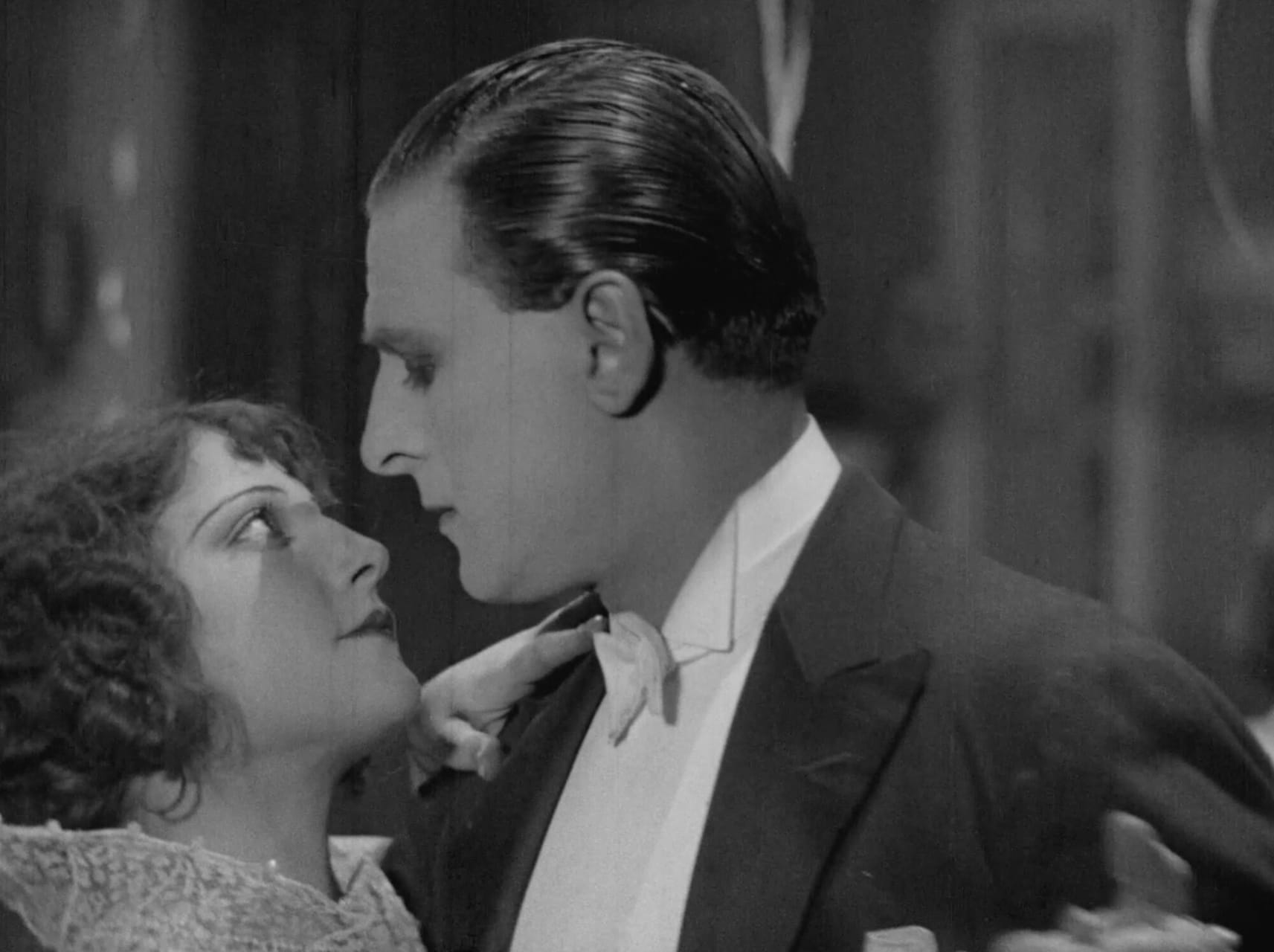
“It is important to note that the film was made with considerable ambition, as suggested by its title and the publicity campaign at the time. It deliberately pushed boundaries, breaking certain taboos and marketed itself as controversial."
“So, it was both a piece of high modernistic filmmaking, but also quite an exceptional undertaking in terms of marketing and mainstream filmmaking.”
Was it meant to be provocative?
“Yes, and it was provoking. There were even some later censorship cuts made to the film. It was a conscious decision to stir the waters and to aim for international acclaim and international distribution.”
This was all in Czechoslovakia of the 1920s and 1930s. What was the broader context like?
"There's this saying that silent films were never really silent."
“It was the very end of the silent film era, which maybe had a slightly negative impact on the actual reception of the film, because the distributors hesitated with releasing the film until 1930, when some cinemas had already started showing sound films in Prague."
“But for the kind of visual storytelling Erotikon employs, it marks this high moment of silent cinema. It absorbed the modernistic language of silent cinema, which by the late 1920s was very strong.”
Do you think Machatý is a bit forgotten nowadays?

“I would say that now that we have completed a trilogy of his films, he is better well known. There's a film that he made in-between Erotikon and Ecstasy, which is called From Saturday to Sunday (1931). They kind of form a triptych of his high modernistic Czechoslovak period."
“Before making these films he was also working in Hollywood in the US, and then after the success of Ecstasy he was again commissioned to work in the US. So, he stands out as a very internationally active, acclaimed and relevant filmmaker.”
You already briefly mentioned the new score to Erotikon. How important is music in silent films?
“Music generally is absolutely crucial for silent films. There's this saying that silent films were never really silent."

“This particular film lends itself to the kind of symphonic score that we have commissioned. We decided to continue our collaboration with Jana Vöröšová, who is a contemporary Czech composer. We worked with her on Ecstasy a couple of years back, as we asked her to compose the overture to the film. Now we asked her to write the music for a feature-length film, which she handed quite spectacularly."
“It's a beautiful piece of work that I'm very much looking forward to hearing live, performed by the Prague Radio Symphony Orchestra.”
The new premiere of the film will take place on January 20. What would you say to intrigue people? How would you sell the film?
"The weight, volume and effect of a full-blown symphonic orchestra is in itself very, very powerful."
“It is, in itself, an exceptional experience and opportunity. For those of us who work in archives and regularly deal with silent cinema — and for audiences as well — silent films are usually accompanied by a piano or perhaps more experimental electronic music. By contrast, the weight, volume and effect of a full-blown symphonic orchestra is in itself very, very powerful. So, I would say that the opportunity of having that experience in Prague’s Municipal House is very rare.”
Is it a newly rediscovered way to experience film?
“Yes, it’s a kind of grand experience of film. In some ways, this connects with how we experience contemporary audio-visual productions today. It is often these exceptional events that draw people into cinemas — films by directors such as Paul Thomas Anderson or Christopher Nolan, for example, who aim at the big screen experience. So, this ties into that legacy of grand cinema experiences.”

And furthermore, Erotikon covers a very unusual topic for the time.
“Very much so. I think you can see Machatý's ambitions and his feeling as a citizen of the world. Both Erotikon and Ecstasy are abstracted from the very local specificities of Czechoslovakia of the 1920s or 1930s. It is interesting to observe the kind of world that he creates, which is a Central-Eastern European habitat. The way he worked, and that's very special for the silent period, lends itself to easier international circulation.”










