More than half a million Czechs struggle with transport poverty
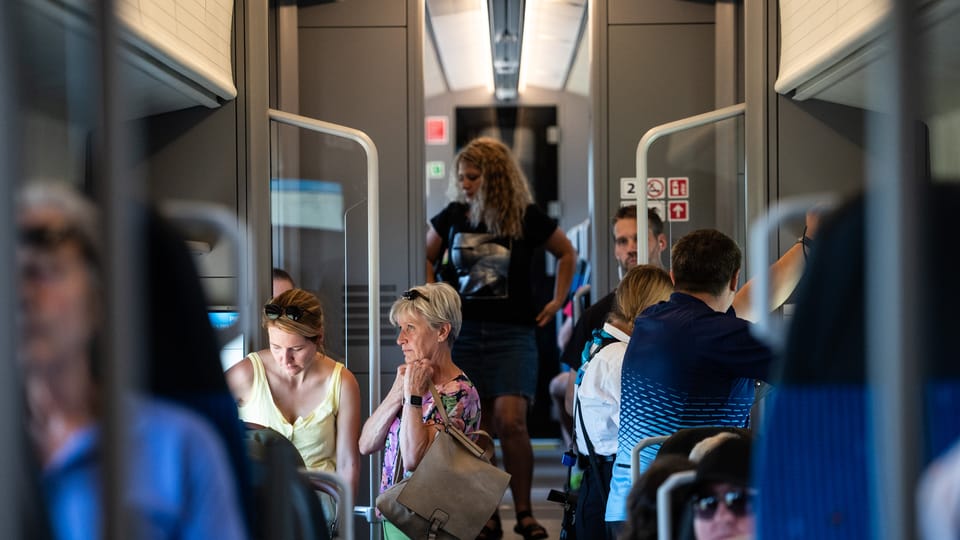
More than one in ten Czechs living in rural areas struggle to access essential services and activities like school, work or a visit to the doctor. According to the results of a study conducted by the Institute 2050, a full quarter of Czechs say transport presents a problem –occasionally or all the time.
Nestled in picturesque countryside northeast of Rokycany in the Pilsen region, the village of Vejvanov is home to some 300 residents. Nela Krocová, who lives there with her extended family says she is happy with country life, but getting where she needs -further from home - is a constant problem. Even before the family car broke down, the seven-member household had to rely heavily on the local bus, which runs only seven times a day.

“I live here with my partner, my parents whom I look after, my three children and my daughter’s partner. We need to get to school, to work, to the doctor, to shop—we’re a big family and we eat a lot.”
There is just one tiny mixed goods store in the village that sells only basic stuff. No pharmacy, no school and no doctor. As for going to a disco that’s out of the question. The last bus stops there at 7.30pm after which there is no way to get home.
The most vulnerable group hit by what is termed “transport poverty” are low-income residents of small, remote villages with fewer than 5,000 inhabitants. This concerns about 650,000 people and represents approximately six percent of the population. Almost all respondents in this group reported regular trouble getting where they need to go.

Over 80 percent of them experience this problem almost constantly or frequently. Another 16 percent face it at least occasionally. Most are younger or middle-aged, and typically unable to cover an unexpected cost of 10,000 crowns or more—so even a cheap, used car is unaffordable.
Nela says making ends meet on a tight budget is not easy:
“We need to buy a new car, but none of us has twenty thousand crowns to spare. My mother has diabetes, and so does my dad. They need medicine all the time, my children need things as well. There are always other more important expenditures that need to take priority.”
Even bus transport is a burden on the family budget when more members of the family need to use it daily. Yet the biggest problem isn’t just the cost—it’s the lack of connections and inconvenient schedules. This complaint echoes across multiple groups in the Institute’s research, alongside long travel times and poor coordination between services. Nela’s children go to school an hour earlier than they would need to and get home an hour later because these are the only connections possible.

So how many Czechs live in transport poverty? According to the study’s findings: five percent of Czechs struggle with it daily; another six percent often, and fifteen percent occasionally. That suggests that more than a quarter of the population is affected by transport poverty to some degree.
Typically, the most vulnerable are families with three or more members and a monthly net income of around 21,000 crowns.
While one might expect seniors to be hardest-hit, the data collected tells another story. Older adults often have help from younger relatives. And so it’s often women—caring for children or elderly family members—who fall deepest into transport poverty. They may lack a car, struggle to afford bus tickets, or simply find the physical demands of public travel too much.
According to Institute 2050, nearly half of Czech households own one car. But over a quarter have none. For families like Nela’s the solution might be to move to a big city, but she says she’s not willing to give up all the other benefits of rural life. So a more acceptable solution would appear to be car sharing with a neighbor in similar circumstances.






